
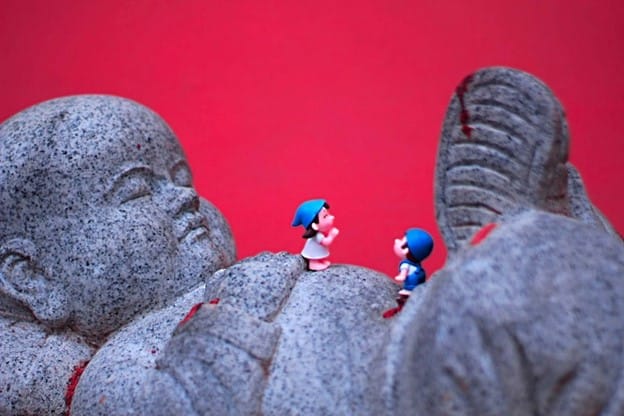
Have you ever tried to look at a small 3D character and wondered, how did it begin as a picture? It is somewhat magic, yet a combination of ingenious technology, crafty hands, and imaginative sight is a delicate balance of process. Starting with an ordinary image to a miniature that you can put on your desktop or shelf, each stage brings about life, depth and personality to it. We will take the journey in an easy, straightforward manner.
Step 1: Choosing the Right Photo
It all starts with a picture that makes the moment immaculate. A good image assists designers in knowing facial expression, posture, clothing and expression.
Tips for a Photo That Works Best
Have a high-quality and sharp image.
- Ensure that the face is well visible.
- Use natural lighting where it can be.
- Maintain a small and minimalist background.
- Provide more angles where possible.
The more superior the image, the truer to life and more expressive the actual miniature will appear.
Step 2: Converting the Photo Into a 3D Model
After the image is picked, it is then sculpted into a digital 3D format by the designers. This is a stage that converts details into depth and structure.
Special 3D modeling software assists the artist in mapping facial contours, body proportions and fine details. What is produced is a realistic digital representation that appears nearly like the actual individual from any angle. This digital version forms the basis of the whole process, particularly for customized miniature models that must feel personal and true to life.
Step 3: Preparing the Model for Printing
The digital model is also refined carefully before printing begins. Minor imperfections are remedied to ensure that there is clean and solid print.
The Process in Preparation.
- Surface flaws are rectified
- Thin areas are strengthened
- Size and scale are adjusted
- The model is cut into thin layers that can be printed.
These layers instruct the printer on the specific way to construct the miniature order by order, starting with the base and up to the very last detail.
Step 4: Printing the Miniature
Here, the digital design takes its place. The printer builds the figure in layers, one after another, with resin or filament material.
The layers are put on top of each other in a precise manner and gradually create facial expressions, folds of clothing and even minute details. Printing is time-consuming, but that is time that can be used to achieve amazing accuracy and depth.
Step 5: Cleaning and Finishing the Print
Fresh from the printer, yet miniature still needs modifications. This is a step that looks incomplete and rough.
Post-Printing Tasks
- Eliminating support systems.
- Smoothing uneven surfaces
- Washing small holes and areas.
- UV curing for resin models
This is done to make the figure solid, smooth and prepared to be painted.
Step 6: Hand Painting and Fine Details
This is a step when the miniature actually lives. Each work is painted by skilled artists with matching colors, skin color, and even outfits with the original photo.
Expressions, shading and highlights are added in tiny brushstrokes, making the figure warm and human. It is at this level that many individuals seek Custom miniatures for sale in India that seem personal and full of character.
Step 7: Final Check and Secure Packing.
All minis undergo a final check before shipping. The artists use it in comparison with the original photo to make sure it is accurate and emotional.
After approval, the piece is thoroughly packed to ensure that all the details are safeguarded during the delivery process.
Conclusion
Creating 3D Miniatures is not just about printing out a figure of individuals. It is a process requiring a combination of technology, patience and art to make gifting pieces unique. From the first picture to the last touch of a brush, each detail matters a lot, adding meaning and creativity. People who are seeking to retain memories or as a present, Kraft Lady Shop gives them a good opportunity to have crafted 3D miniatures with care, accuracy and love.
Frequently Asked Questions
1. How long does it take to create a 3D miniature from a photo?
This can take a couple of days to a week based on the complexity of the design, the amount of time required in printing and the amount of time required in hand painting.
2. What type of photos works best for making miniatures?
High-resolution photos in clear and well-lit conditions with a minimum background are the best for providing accurate details.
3. Can custom clothing or accessories be added to the miniature?
Yes, the majority of services will give the option to choose the clothes, pose and accessories to create the most individualized appearance.
4. Are 3D miniatures durable for long-term display?
Miniatures can be years old with quality material and a good finish, and they can still last a long time when one is gentle with them.